


B vitamins don't get enough credit. They're not flashy like vitamin C or trendy like collagen. But make no mistake, B vitamins are the real heroes that quietly keep your body running. Without them, your energy drops, your brain feels foggy, and your nerves, blood cells, and metabolism start acting up.
Let's break down all the B vitamins, what each one does, where to find it, what happens when you don't get enough, and when vitamin supplements or dietary supplements might help.
Ready? Let's dive right in.
What Are B Vitamins?
B vitamins belong to a group of water-soluble vitamins. That means your body doesn't store them for long. A small amount of B vitamins, especially B12 and folate, are stored in the liver, but most of what you don't use is usually flushed down the toilet. Because of that, you need a steady dietary intake of them from food or from handy, easy-to-take supplements.
There are eight B vitamins in total, and each one has its own job. But they also work together like a team. That's why you often see them sold as vitamin B complex, B complex vitamins, or vitamin B complex supplements.
The Eight Types Of B Vitamins At A Glance
You often hear about the different B vitamins without knowing what they are. Here are the B vitamins you'll hear about most often:
- Vitamin B1 - Thiamine
- Vitamin B2 - Riboflavin
- Vitamin B3 - Niacin
- Vitamin B5 - Pantothenic acid
- Vitamin B6 - Pyridoxine
- Vitamin B7 - Biotin
- Vitamin B9 - Folate or folic acid
- Vitamin B12 - Cobalamin
Each of these vitamins has an important role in supporting human metabolism, energy production, brain health, blood cells, and nervous system function in different ways.
| B Vitamin | Key Role | Deficiency Sign(s) |
|---|---|---|
| B1 (Thiamine) | Energy metabolism, nerve and muscle function | Fatigue, nerve damage, beriberi, confusion |
| B2 (Riboflavin) | Energy production; skin and eye health | Cracked lips, sore throat, skin inflammation |
| B3 (Niacin) | DNA repair; metabolism; skin & nervous system | Pellagra (dermatitis, diarrhea, dementia) |
| B5 (Pantothenic acid) | Coenzyme A production; hormone synthesis | Fatigue, irritability, numbness (rare) |
| B6 (Pyridoxine) | Amino acid metabolism; neurotransmitters; red blood cells | Anemia, depression, skin rash, nerve problems |
| B7 (Biotin) | Fat and carbohydrate metabolism; hair/skin health | Hair loss, skin rash, brittle nails |
| B9 (Folate / Folic acid) | DNA synthesis; cell division; pregnancy development | Megaloblastic anemia, birth defects |
| B12 (Cobalamin) | Nerve health, red blood cell formation, DNA synthesis | Pernicious anemia, numbness, memory problems |
Why B Vitamins Matter So Much
B vitamins don't get much attention, but according to The Permanente Journal, they're the helpers that keep your body's engine running smoothly. Without them, even simple tasks inside your body start to feel harder than they should.
Here's why they really matter:
- B vitamins turn food into energy. Every time you eat carbs, fats, or protein, the B vitamins unlock that energy. Without them, you can eat plenty of nutrients and still feel tired or run down. B vitamins play a big role in energy production and cellular metabolism.
- B vitamins help with amino acid metabolism, which means they help your body use protein effectively. Protein isn't just for muscles - it also supports your hormones, immune health, and tissue repair. B vitamins make sure those building blocks get where they need to go and do the job they need to do.
- B vitamins support enzyme reactions. Enzymes are like the tiny tools in your body that help chemical reactions happen. Without B vitamins, those reactions slow down or won't work well at all.
- B vitamins are essential for red blood cells. These cells are the ones that carry oxygen through your body, so they're important. When red blood cell production drops, you'll feel tired, weak, and short of breath.
- B vitamins support nerve and brain function. They support the brain chemicals, protect nerve cells, and keep your nervous system working as it should. Memory, focus, mood, and nerve signals all depend on enough B vitamins.
B vitamins help the human body do everyday things without breaking down. When you don't get enough B vitamins, problems creep in slowly, and things like low energy and brain fog hit hard.
Vitamin B1 - Thiamine
Vitamin B1 helps your body turn carbs into energy. It also plays a role in the citric acid cycle, which is how your cells make energy. A study published in Bioscience Reports found that thiamine also supports nerve cells, muscle function, and brain signals. Your body needs thiamine for proper metabolic processes and enzyme reactions.
You'll find thiamine in:
- Whole grains
- Fortified foods
- Beans and lentils
- Seeds
- Pork
Thiamine deficiency can lead to fatigue, nerve issues, memory problems, and weakness. In severe cases, it affects the heart and brain.
Vitamin B2 (Riboflavin)
Vitamin B2 helps your body release energy from food and supports fatty acid breakdown. It plays an important role in red blood cell development, skin health, and eye health. Studies done at Harvard found that riboflavin is a key vitamin to support cellular metabolism.
Good food sources of riboflavin include:
- Dairy products
- Eggs
- Lean meats
- Almonds
- Leafy green vegetables
- Fortified foods
A riboflavin deficiency can cause cracked lips, a sore throat, skin irritation, and eye problems. It often appears alongside other B vitamin deficiencies.
Vitamin B3 (Niacin)
Niacin is the B vitamin that helps with energy production, DNA repair, and hormone production, including steroid hormones. It also supports digestion, skin health, and brain function.
You'll find niacin in:
- Poultry
- Fish
- Beef
- Peanuts
- Whole grains
- Fortified foods
A niacin deficiency causes fatigue, skin problems, digestive issues, and mental confusion. Severe deficiencies lead to pellagra, which affects the skin, gut, and brain.
Very high (therapeutic) doses of niacin supplements can cause flushing, liver toxicity, and stomach upset, so it's best to respect the dietary reference intakes.
Vitamin B5 (Pantothenic Acid)
Pantothenic acid helps form coenzyme A, which your body uses to break down fats, carbs, and proteins. It also plays a role in fat metabolism, hormone production, and energy production.
You can find it in many foods, including:
- Chicken
- Beef
- Eggs
- Avocados
- Whole grains
- Mushrooms
And, because it's so widely available, it's rare to get a deficiency in vitamin B5.
Vitamin B6 (Pyridoxine)
Vitamin B6 helps with processing amino acids, brain chemicals, immune system function, and red blood cell production. It also supports mood, sleep, and hormone balance.
If you need to up your B6 intake, choose foods like:
- Poultry
- Fish
- Potatoes
- Bananas
- Chickpeas
- Fortified foods
Low B6 levels often cause irritability, depression, confusion, mouth sores, and anemia. Long-term deficiencies can affect nerve cells and immune health. Very high doses of B6 can also cause nerve damage, so more is not always better.
Vitamin B7 (Biotin)
Biotin is the B vitamin that helps your body process fats, carbs, and proteins. It's also responsible for healthy skin, hair, nails, and fat metabolism.
You can find biotin in:
- Cooked eggs
- Nuts
- Seeds
- Salmon
- Sweet potatoes
A 2025 study published on StatPearls found that a biotin deficiency is rare, but it can cause hair thinning, brittle nails, rashes, and fatigue. Biotin supplements are often marketed for hair and nails, though deficiency is rare and benefits are most evident when levels are low.
Vitamin B9 (Folate And Folic Acid)
Folate is the natural form found in food, while folic acid is the synthetic form used in supplements and fortified foods. Folic acid is an important nutrient and is used in many supplements and fortified foods to support nucleic acid synthesis, cell division, and the production of red blood cells. It also plays a critical role during pregnancy.
Folate comes from food, and you'll find it in:
- Leafy green vegetables
- Beans and lentils
- Citrus fruits
- Fortified foods
A folate deficiency is not a good thing, and it causes anemia, fatigue, and poor cell growth. During pregnancy, low folate levels increase the risk of neural tube defects and other birth defects.
Vitamin B12 (Cobalamin)
Vitamin B12 is a wonder vitamin that supports red blood cell production, DNA synthesis, brain function, and nerve health. It's also essential for memory, focus, and energy.
It only appears in animal products, like:
- Meat
- Fish
- Eggs
- Dairy
If you don't eat animal products, you'll need fortified foods or a good vitamin B12 supplement.
Low B12 causes fatigue, weakness, numbness, mood changes, and memory loss, while severe deficiencies can lead to pernicious anemia and nerve damage. People with celiac disease, inflammatory bowel disease, those using proton pump inhibitors, certain medications, and older adults are at risk of a B12 deficiency.
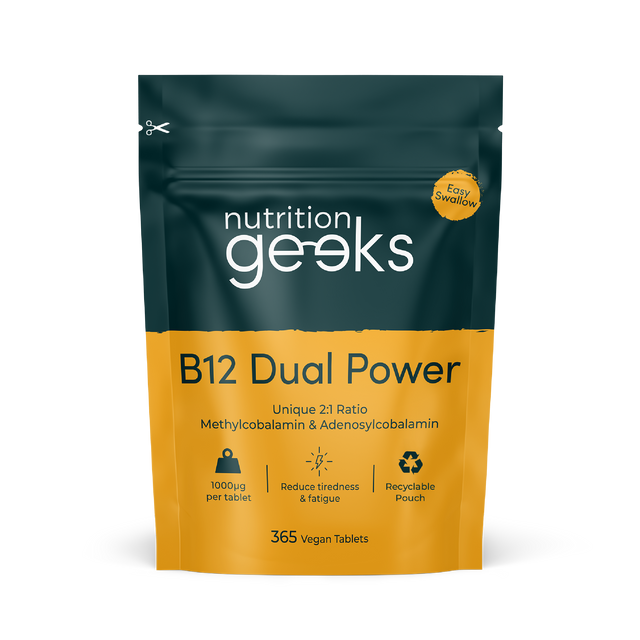
Vitamin B12 Dual Power
⭐⭐⭐⭐⭐ 4.80 out of 5 Based on 200+ reviews
Shop NowGetting B Vitamins Naturally
One of the best things you can do for your health is enjoy a varied diet to get enough B vitamins. Ideally, you should focus on foods with a high vitamin B content.
This includes:
- Whole grains
- Foods containing protein
- Animal products
- Plant-based foods
- Leafy green vegetables
Most people get enough vitamins through their food alone, but there are certain lifestyle factors that can cause deficiencies.
When Supplements Make Sense
Vitamin supplements or dietary supplements make a lot of sense if you:
- Have digestive conditions
- Follow a vegan diet
- Are pregnant
- Are older
- Take certain medications
- Have known vitamin deficiencies
Remember, mega-dosing is not the answer, and you should always take supplements and medications according to the dosage instructions.
Frequently Asked Questions
Are All B Vitamins The Same?
No. Each type of B vitamin has a different role. Some focus on energy, others on nerves, blood cells, or brain health. That's why vitamin B complex products include multiple forms.
The key is using supplements wisely, not taking high doses just because you can. And there are so many to choose from, from iron and magnesium to collagen and creatine, we have a range of supplements (not just B vitamins) to help you make the most of your health and wellness.
Can B Vitamins Help With Weight Loss?
B vitamins support the metabolism, but won't necessarily cause direct weight loss. Instead, they help your body use food more efficiently, which then supports energy and activity.
Are High Doses Of B Vitamins Dangerous?
Yes and no. Some high doses are safe, while others, like B6 and niacin, can cause side effects and liver toxicity if they're overused. Because most B vitamins are water-soluble, your body usually gets rid of extra amounts through urine. That sounds reassuring, but it doesn't mean you can take unlimited amounts safely.
Do B Vitamins Boost Your Brain Health?
Yes! Certain B vitamins play a very big role in brain health. They help your brain make and balance brain chemicals that affect mood, focus, and memory. Vitamin B12, vitamin B6, and folate are especially important for keeping nerve cells healthy and protecting the nervous system.
Can Medications Affect B Vitamin Levels Or Cause Vitamin Deficiencies?
Unfortunately, yes. Certain medications lower your B vitamin levels without you even realising it. Medicines like proton pump inhibitors reduce stomach acid, which your body needs to absorb vitamin B12 from food.
When it comes to B vitamins, consistency matters more than extremes. Your body does best with steady support over time, not sudden megadoses. Think of B vitamins as daily maintenance, not a quick fix.
Final Thoughts
B vitamins might be small, but they have a significant impact on how you feel and function every day. They work quietly in the background, helping your body turn food into energy, keep your brain sharp, protect your nerves, and support healthy blood cells. You may not notice them when everything is working well, but you will often feel it when something is off. Low energy, brain fog, mood changes, and weakness can all be signs that your body is missing the support it needs.
Getting sufficient B vitamins helps your body run smoothly instead of struggling. These vitamins support your metabolism, which means your body can use carbohydrates, fats, and proteins the right way. They also help your nervous system send clear signals, so your muscles move properly and your brain stays focused. On top of that, B vitamins play a key role in making healthy red blood cells, which carry oxygen throughout your body. Without enough oxygen delivery, everything feels harder.
References:
- Hanna, M., Jaqua, E., Nguyen, V., & Clay, J. (2022). B Vitamins: Functions and Uses in Medicine. The Permanente Journal, 26(2), 89–97.
- Mrowicka, M., Mrowicki, J., Dragan, G., & Majsterek, I. (2023). The Importance of Thiamine (vitamin B1) in humans. Bioscience Reports, 43(10).
- Pantothenic acid | HSIS. (2017).
- Saleem, F., & Soos, M. P. (2020). Biotin Deficiency. PubMed; StatPearls Publishing.
- The Nutrition Source. (2020, July 24). Riboflavin – Vitamin B2. The Nutrition Source. Harvard.

Comments (0)
There are no comments for this article. Be the first one to leave a message!