


Keeping your mind strong and healthy at every age matters. You want to think clearly, remember things, and make decisions, all while feeling great inside your own head. A big part of this comes from your daily habits: like what you eat, how you sleep, how you handle stress, and even how you move your body.
Many people look to brain supplements for extra support. And these supplements can help your brain stay strong and healthy, supporting things like memory, focus, cognitive function, and your overall well-being. Yes, they're not magic pills, but they can give your brain the nutrients it needs to function at its best.
Key Takeaways:
- Brain supplements, including vitamins, minerals, herbs, and plant extracts, help maintain cognitive health.
- Supplements like Vitamin B12, turmeric, ashwagandha, magnesium, Vitamin D3, and zinc each support brain health in unique ways.
- While brain supplements can improve cognitive function, memory, and mental performance, their effectiveness varies depending on individual factors.
- Vitamin B12 plays a crucial role in clear thinking and memory, and its deficiency can lead to cognitive decline.
- Consistent use of brain supplements can help reduce the risk of age-related cognitive decline and mental fog.
- Brain supplements can support overall brain health and help mitigate stress, improve mood, and enhance sleep for better cognitive function.
What are Brain Supplements?
Brain supplements are dietary supplements that help keep your brain healthy. Let's get geeky for a second: brain supplements can be vitamins, minerals, herbs, plant extracts, or other natural ingredients your body already uses every day.
Most brain supplements give your brain that added boost of important nutrients it needs. They help your brain make energy, protect brain cells, and keep your nervous system working the way it should. Some also help you feel calmer, sleep better, and improve your mood. Sounds great, right?
People take brain supplements for the mere fact that modern life can be stressful. Most adults today feel tired, foggy, or mentally slow at times. And others worry about age-related memory loss, cognitive decline, and other conditions that show up as we get older.
Brain supplements don't cure diseases, but they can be one part of keeping your brain healthy.
Do Brain Supplements Really Work?
Some brain supplements may be helpful, particularly if you’re low in certain nutrients. It’s important to bear in mind that results vary from person to person. Your age, diet, lifestyle, sleep habits, stress levels, and overall health all influence how much of a difference a supplement may make.
Some people feel a difference fast, while others need time. You also get people who feel big benefits, while others feel small, steady changes. That's normal. Some supplements also have stronger research, controlled trials, or more double-blind studies behind them than others. Even in a randomised controlled trial, people may react in different ways.
So yes, brain supplements can help improve cognitive function, support memory function, and boost your mental performance. You just need to remember that your experience may not be the same as someone else's.
Supplements That Improve Cognitive Function
There are a few popular brain health supplements you can try. Each one plays a different role in keeping your mind sharp.
Vitamin B12
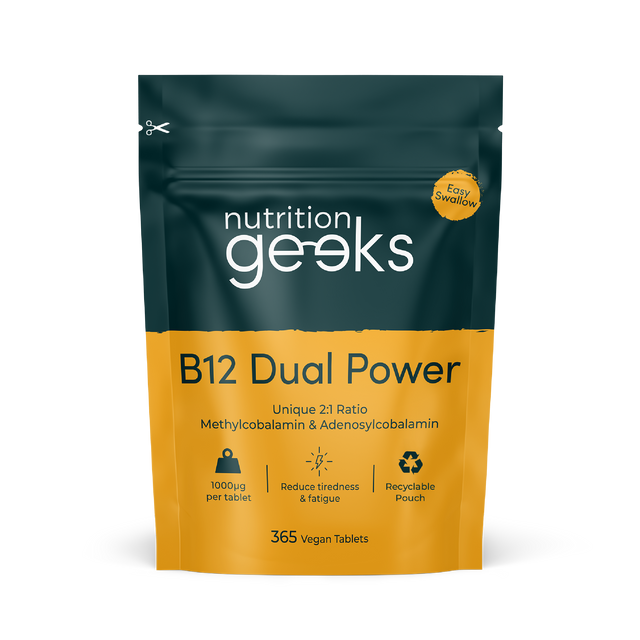
Vitamin B12 Dual Power
⭐⭐⭐⭐⭐ 4.80 out of 5 Based on 200+ reviews
Shop NowVitamin B12 is one of the most important B vitamins for your brain. Why? Because your body uses B12 to make red blood cells, support the nervous system, and keep your brain running smoothly. Low B12 levels lead to tiredness, weakness, trouble focusing, and memory problems. Healthy older adults need a higher intake because B12 becomes harder to absorb with age. This is why B12 is one of the top memory supplements for people who want clearer thinking.
Research published in Brain Disorders showed that B12 can help reduce the risk of cognitive decline, especially when it's combined with folic acid and vitamin B6. While it won't cure serious conditions like Alzheimer's disease, it can support better cognition in people with mild cognitive impairment.
Vegans and vegetarians often use supplements to maintain optimal levels, as B12 is found in animal products.
Turmeric

Turmeric, Ginger & Black Pepper
⭐⭐⭐⭐⭐ 4.5 out of 5 Based on 2800+ reviews
Shop NowTurmeric contains curcumin, a natural compound that's known for its bright yellow colour and strong antioxidant effects. Research published in Biochimica et Biophysica Acta found that daily curcumin supplements are a good idea for adults because they support overall brain health, reduce inflammation, and may help protect brain cells from damage.
Turmeric also supports healthy blood flow, which is important for good memory and focus. Some studies suggest that people who take turmeric may even experience better mood and improved cognitive ability over time.
Turmeric is often used in traditional Chinese medicine and has been studied for its role in slowing age-related memory loss. It’s not a treatment for neurodegenerative disease, but it may support brain health through its antioxidant and anti-inflammatory properties.
Ashwagandha

Ashwagandha is a well-researched herb that helps the body handle stress. People love it because it creates a calm, steady feeling without making you sleepy. It's no secret that a calmer mind thinks more clearly. Stress, on the other hand, makes your mind race, hurts your focus, and affects your memory. By lowering stress, Ashwagandha directly supports your cognitive health and mental performance.
A study published in the Journal of Ethnopharmacology shows it may help with mild memory concerns and support enhanced memory in healthy adults. People also report better sleep, which naturally improves their ability to think clearly the next day.
Magnesium

Magnesium Glycinate Capsules
⭐⭐⭐⭐⭐ 4.5 out of 5 Based on 4700+ reviews
Shop NowMagnesium plays a very important role in your muscles, nerves, and brain. You'll be surprised to know that many adults are low in magnesium without even knowing it. Low magnesium affects not only your mood and sleep, but also your ability to concentrate.
Research conducted by the University of Adelaide Press found that some forms of magnesium are designed specifically to support brain health. These forms help magnesium cross the blood-brain barrier more easily, which supports the protection of cell membranes and better long-term brain health.
Magnesium also supports cognition, helps relax the body, and can help you sleep better. Good sleep naturally improves cognitive function, focus, and memory function.
Vitamin D3
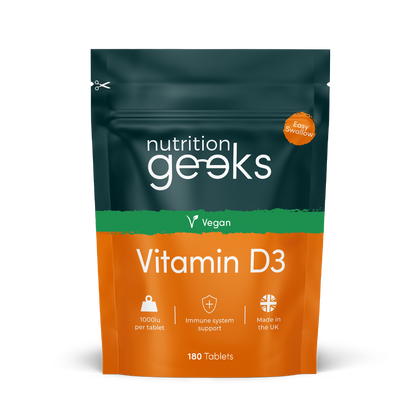
Vitamin D3 supports everything from bone health to immune function. But it also plays a big role in the brain. Many older adults have low vitamin D levels because they spend less time in the sun.
Low vitamin D levels are linked to increased risk of cognitive decline, low mood, and general mental fog. When people raise their vitamin D levels to optimal levels, they often report better energy and clearer thinking.
Some researchers believe vitamin D helps protect brain cells and supports healthy communication between them.
Zinc
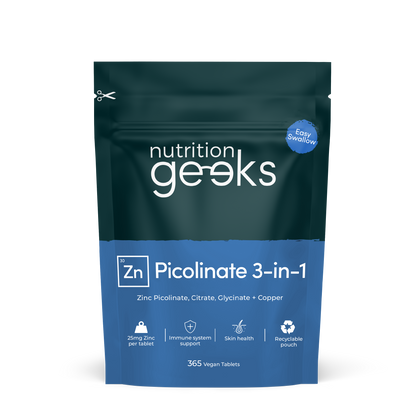
Zinc is another mineral that supports your immune system and helps the body heal. But it also plays a very important role in the brain by helping with thinking, learning, and memory. Zinc supports the communication between brain cells and helps your body manage stress.
A study published in Neuropsychiatry found that low zinc levels are often tied to poor focus, low mood, and slower cognitive performance. Now, many healthy adults take zinc as part of a balanced brain supplement routine.
Frequently Asked Questions
What Is the Most Important Supplement for the Brain?
Honestly, there isn't one single "best" supplement, because every brain is different. But experts agree that B vitamins, especially Vitamin B12, play a huge role in clear thinking, energy, and memory. Other strong options include magnesium, zinc, Vitamin D, Vitamin E, and omega-3 fatty acids. Your best choice of supplements ultimately depends on your natural levels, habits, and daily life.
Why Do People Take Brain Supplements?
People take brain supplements for a few reasons. They are to:
- Support memory
- Improve cognitive function
- Help reduce mental fog
- Support mood and stress
- Maintain long-term brain health as you age
Some people take brain supplements to stay sharp for work or school, while others take them to support their cognitive health as they age.
When Should You Take Brain Supplements?
Brain supplements are usually taken as a dietary supplement in the morning with food. This helps with absorption and also gives you the best start to your day. Some supplements, like magnesium or ashwagandha, work better in the evening because they help with relaxation and sleep. It all depends on how your body feels and what works for your routine.
What Vitamin Can Fix Brain Fog?
Vitamin B12, Vitamin D, and magnesium help the most with brain fog. Each one supports your energy, mood, and cognitive clarity in a different way. If the fog comes from stress, ashwagandha may help. If it comes from inflammation, turmeric is your best option. Remember, brain fog often has more than one cause, so a mix of nutrients helps the most.
Why Is Brain Health So Important?
This is a very important question, so it deserves a great answer. Your brain controls everything - your thoughts, mood, decisions, actions, and how you handle life. When your brain feels off, everything suddenly feels harder, too.
But supporting your brain health helps you:
- Think clearly
- Remember things
- Stay focused
- Sleep well
- Handle stress better
As you age, you naturally face a higher risk of age-related memory loss or cognitive decline. Keeping the brain healthy supports long-term well-being and can help reduce the risk of certain health conditions later in life.
Conclusion
Brain supplements are not magic, but they can help you take good care of your mind and mental health. They give your body the nutrients it needs for strong cognitive function, steady energy, and better focus.
Supplements like Vitamin B12, turmeric, ashwagandha, magnesium, Vitamin D3, zinc, and omega-3 fatty acids support the brain in their own unique way. Some help with memory, while others help with mood and managing stress.
Everyone is different, so your experience with supplements may not be the same as someone else's. But when you combine brain supplements with healthy habits like good sleep, balanced nutrition, and physical activity, they play a big role in supporting a strong and healthy mind at any age.
Taking care of your brain is one of the best long-term health investments you can make. And brain supplements are a simple way to give your mind the extra nutrients that you may not get enough of from food alone. Your brain deserves care, attention, and proper nourishment just like the rest of your body, and brain supplements make that job easier.
References
- Hoane, M. R. (2011). The role of magnesium therapy in learning and memory (R. Vink & M. Nechifor, Eds.). PubMed; University of Adelaide Press.
- Piao, M., Cong, X., Lu, Y., Feng, C., & Ge, P. (2018). The Role of Zinc in Mood Disorders. Neuropsychiatry, 07(04).
- Umekar, M., Premchandani, T., Tatode, A., Qutub, M., Raut, N., Taksande, J., & Hussain, U. Md. (2025). Vitamin B12 deficiency and cognitive impairment: A comprehensive review of neurological impact. Brain Disorders, 18, 100220.
- Wu, A., Noble, E. E., Tyagi, E., Ying, Z., Zhuang, Y., & Gomez-Pinilla, F. (2015). Curcumin boosts DHA in the brain: Implications for the prevention of anxiety disorders. Biochimica et Biophysica Acta (BBA) - Molecular Basis of Disease, 1852(5), 951–961.
- Zahiruddin, S., Basist, P., Parveen, A., Parveen, R., Khan, W., Gaurav, & Ahmad, S. (2020). Ashwagandha in brain disorders: A review of recent developments. Journal of Ethnopharmacology, 257, 112876.


Comments (0)
There are no comments for this article. Be the first one to leave a message!