


It would be great if we could maintain healthy skin just by using different products, wouldn’t it? However, the quality of your skin is influenced more by what goes into your body than what you put on the outside. Getting the right balance of nutrients helps you develop glowing skin.
If you follow a healthy and balanced diet, you'll create the right foundations for good skin health. Taking supplements should never replace a healthy diet. Instead, look at supplements as a way to compensate for any nutritional gaps.
In this guide, we’ll explore the best skin supplements right now, what they do, who they’re best for, and how they can support your overall skin health. Everyone has unique skin goals, and the best supplements can help you improve skin appearance. We’ll also look at how to choose the right supplement for your skin type and offer evidence-based insights into each ingredient.
Key Takeaways
- Your skin health is affected by your diet and lifestyle.
- Collagen, B vitamins, zinc, vitamin C, vitamin D supplements, and omega-3 fatty acids are nutritional beauty supplements that support healthy skin.
- Your skin type also determines which supplements could work for you.
- You can support common skin concerns such as dryness and ageing, through supplementation.
- Supplements work best when you use them in conjunction with a healthy lifestyle, which includes a well-rounded diet, getting enough sleep, managing your stress levels, and committing to wholesome nutrition.
- You should always speak to your health care professional before you add supplements to your diet.
Our Favourite Skin Supplements Right Now
There's a growing body of research to support dietary supplements for optimal skin health, and various supplements can help you achieve different skin goals and address specific skin conditions. Supplements bridge nutritional gaps, working with your skincare routine for better hydration, to soothe irritation, and reduce the appearance of fine lines.
Here are some of the supplements we’re geeking out over at the moment:

1. Collagen Supplements: Collagen Glow Up
Collagen supplements are a popular choice to support skin elasticity and hydration. Our hydrolysed collagen supplement offers an easy-to-mix, convenient form of oral collagen supplementation.
As we get older, our collagen levels decline, which is why skin starts to sag and wrinkles look more noticeable. Collagen is the most abundant protein in the human body, and we need it to maintain the structure of our skin. It's made up of amino acids (which are also the building blocks of hair, skin, and nails).
We've chosen bovine collagen for this skin support product because your body can absorb it easily. It has smaller peptides, so it's absorbed faster, giving you visible skin benefits. Rich in Type I collagen (the most abundant type in your skin), it supports skin elasticity and hydration.
Why We Love It
- Hydrolysed collagen gives you better absorption.
- It's locally made and compliant with UK high-quality manufacturing standards.
Shop our Collagen Glow Up now.

2. Biotin Growth +
If your skin is dry or dull or if you experience brittle nails, you may have a biotin deficiency. A biotin deficiency may also contribute to hair loss and thinning hair. Supplementing your diet with vitamin B7 may help improve your skin vitality and hair health.
Our vegan-friendly biotin supplement supports healthy skin and hair. Biotin supplements (vitamin B7) promote healthy mucous membranes and can help you maintain healthy hair follicles, nails, hair, and skin.
However, scientific evidence shows that supplementing with biotin is only helpful if you are deficient in the vitamin and not if your levels are already normal.
Why We Love It
- High-strength 10,000µg per serving
- Vegan-friendly and non-GMO formulation
- Supports healthy hair, skin, and nails
- Easy-to-swallow capsules
Shop our Biotin Growth +.
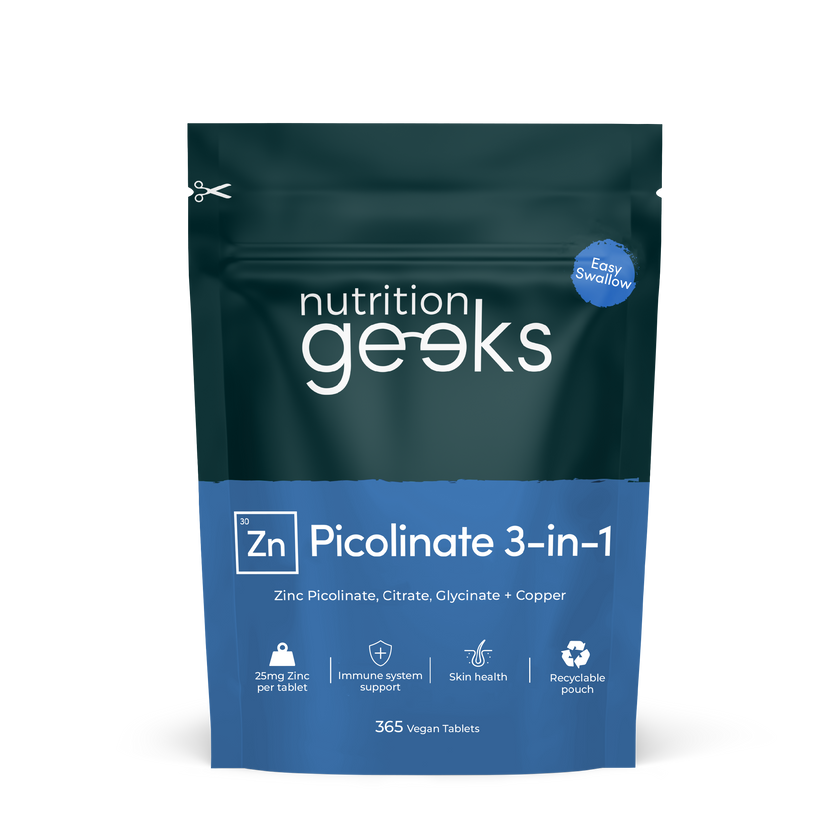
3. Zinc Picolinate 3-in-1
If you've got oily or blemish-prone skin, you may benefit from zinc supplements. Our zinc picolinate formulation is combined with copper, which helps with normal skin function and immune system support.
Zinc does a number of important jobs in the human body, including tissue repair, reducing inflammation, and regulating your skin's oil production. These properties make it really helpful for blemish-prone complexions and many other skin issues. We've used the picolinate form of zinc because of its superior absorption.
Remember only to take the recommended dosage because taking too much zinc can cause side effects such as stomach cramps and nausea.
Why We Love It
- The picolinate formula is easily absorbed
- It combines three essential nutrients in one tablet
- It’s ideal for oily, blemish-prone skin types
- Helps support immune function and skin repair
Shop our Zinc Picolinate 3-in-1 now.
Other Key Nutrients for Skin Health
In addition to collagen, biotin, and zinc, vitamin C, omega-3s, and several other nutrients are important for maintaining healthy skin:
- Vitamin A supports skin cell turnover and helps to maintain healthy epithelial tissues. A vitamin A deficiency can lead to dry, rough skin or keratinisation (cornification).
- Vitamin E is a fat-soluble antioxidant that helps protect skin cells from the oxidative damage that free radicals cause. It also supports moisture retention and skin healing.
- Iron deficiency can cause your skin to look pale and dull. It may contribute to dry or itchy patches. It's especially relevant for those with heavy menstrual cycles or plant-based diets, where iron intake may be lower.
- B Vitamins are beauty supplements for your skin. They include B2 (riboflavin), B3 (niacin), B5 (pantothenic acid), B6, and vitamin B12, and they contribute to a range of skin-supportive processes. For example, niacinamide (B3) is widely used in topical skincare for its anti-inflammatory properties, while B7 (biotin) supports the structure of your skin, hair, and nails.
Make sure your diet gives you a balanced intake of these vital nutrients to support your skin's barrier function and cellular repair. If you have a poor diet, supplementing with these essential micronutrients can help you manage skin issues and improve the appearance of your skin.

Best Supplements by Skin Type
Best for Ageing Skin
The Issue: Elastin and collagen give your skin its structure and firmness, but your body's ability to produce these two proteins declines over time. Environmental factors such as pollution and UV exposure can also speed up the effects of ageing. These, along with lifestyle choices and hydration levels, can make wrinkles and fine lines look more visible.
How to Solve it: Taking dietary supplements that support normal collagen formation may help to reduce the visible signs of premature ageing. Antioxidants are also helpful because they neutralise free radicals that can accelerate the signs of ageing.
Top Picks:
- Collagen Glow Up: It's formulated with bovine collagen, which is easily absorbed.
- Omega-3 fatty acids: These are found in fish oil or algae; they help keep skin supple and reduce inflammation.
- Vitamin C: A powerful antioxidant that also boosts collagen synthesis and helps protect against photoaging.
Best for Oily Skin
The Issue: This skin type is often linked to excess sebum production and hormonal imbalances. You may experience breakouts accompanied by inflammation.
How to Solve it: Take a well-formulated zinc supplement to regulate oil production. An omega-3 supplement can lower the inflammation that often accompanies acne.
Top Picks:
- Zinc Picolinate 3-in-1: Supports oil balance, calms redness, and promotes healing.
- Vitamin A: Supports normal skin cell turnover and reduces clogged pores.
- Omega-3s: Help manage inflammatory responses and may reduce breakouts.
Best for Dry Skin
The issue: Dry skin can get irritated easily. When your skin is dry, it can make fine lines and wrinkles look more pronounced and increase the wrinkle depth. You should drink plenty of water, too, but if your skin barrier is compromised, you may not see the positive effects on your skin.
How to Solve it: Taking supplements with hydrating vitamins and essential fatty acids can help to maintain your skin barrier and keep it hydrated for longer.
Top Picks:
- Omega-3 supplements: Provide essential fatty acids that help keep skin hydrated, promote hydration, and improve the skin barrier.
- Vitamin E: A fat-soluble antioxidant that helps retain skin moisture and reduce dryness.
- Collagen Glow Up
Best for Acne-Prone Skin
The Issue: If you've got acne-prone skin, you'll want to include different nutrients to regulate oil production, support your immune system, and reduce inflammation.
How to Solve it: Supplements may help; however, if you have sensitive skin or acne, you should consult with a healthcare professional before you take new supplements.
Top Picks:
- Zinc Picolinate 3-in-1: Supports tissue repair and calms inflamed skin.
- Biotin: Maintains healthy skin, although people with acne should monitor how their skin reacts.
- Probiotic supplements: Help improve gut-skin connection by supporting a healthy gut, which can have positive effects on skin health and may help reduce acne triggers.

Everything You Need to Know About Skin Supplements
What Are Skin Supplements?
Skin supplements are dietary supplements formulated to support skin health from within. Beauty supplements are specifically designed to support skin, hair, and nail health. They contain vitamins, minerals, proteins, and fatty acids that nourish the skin and support its natural functions.
They’re not a replacement for topical skincare or a balanced diet, but rather a supportive approach to help your skin, particularly when dietary intake falls short. Certain vitamins, such as B3 (niacin), are considered essential nutrients for maintaining healthy skin.
How Do They Work?
They deliver nutrients that may be missing from your diet. For example, you need vitamin C for collagen formation, to give your skin elasticity and structure, while zinc helps with inflammation and tissue repair. Omega-3 fatty acids contribute to maintaining the skin barrier and hydration levels.
When you take them consistently, these nutrients can support cellular health, encourage repair, and reduce the visible signs of ageing. Getting an adequate intake of nutrients like vitamin C supports normal collagen formation and helps maintain youthful skin.

Are They Safe?
In the UK, food supplements are regulated as foods and must meet safety and labelling rules. Most skin supplements are safe when you take them as recommended. However, it’s always best to consult with a healthcare provider, especially if you have underlying conditions, are taking medication, or have acne. Over-supplementation with fat-soluble vitamins like A or D can be harmful.
If you follow a plant-based diet, you may be at higher risk of nutrient deficiencies that affect your skin health.
Do They Really Work?
Yes! Scientific studies, including systematic reviews, have shown benefits for certain supplements like collagen peptides, vitamin C, and zinc. For example, a 2021 systematic review found that hydrolysed collagen supplementation improved skin elasticity and hydration in multiple trials (de Miranda et al., 2021). While scientific evidence supports the benefits of some supplements for skin health, more research is needed for others to confirm their effectiveness.
Remember: individual responses can vary. Your diet, genetics, environment, and consistency all play a role in how effective a supplement may be.
Frequently Asked Questions
How Long Do Skin Supplements Take to Work?
Most people notice skin improvements within 4 to 12 weeks of supplementation. Personal factors such as your overall health, skin concerns, and metabolism can influence how you respond to them.
Can I Take Multiple Skin Supplements at Once?
Yes, there are many supplements that you can take together, but don’t overdo it. Read supplement labels and speak to your health professional to ensure your regimen is safe.
Are These Supplements Vegan?
Our Biotin formulation is vegan; however, Collagen Glow Up is not suitable for vegans.
Will Supplements Replace My Skincare Routine?
No. Supplements give you skin support from within. You should still follow a skincare routine that includes twice-daily cleansing, exfoliation, moisturisation, and SPF. Sun protection is really important, but we also promote sunglasses and hats for when you're out during the day.
Conclusion
When you add high-quality supplements to your daily routine, it supports your skin’s natural defences and maintains a healthy skin barrier. Eating a diet full of healthy fats, such as those found in oily fish and fish oil, supports skin and heart health.
As always, take supplements with a healthy diet, good hydration, plenty of sleep, and a consistent skincare routine for the best results. Healthy skin is a reflection of your overall wellbeing – and with the right tools, you can look and feel your best.
References
- Miranda, R. B., et al. (2021). Effects of hydrolyzed collagen supplementation on skin aging: A systematic review and meta-analysis. International Journal of Dermatology. This review reports that hydrolysed collagen and collagen peptides improve skin hydration, elasticity, and wrinkles when taken consistently for around 90 days.
- Miranda, R. B., et al. (2023). Effects of Oral Collagen for Skin Anti-Aging: A Systematic Review and Meta-analysis. Nutrients, 15(9), 2080. The authors analysed 26 RCTs and found that collagen supplements significantly improved skin hydration and elasticity compared with placebo.
- Pullar, J. M., Carr, A. C., & Vissers, M. C. M. (2017). The Roles of Vitamin C in Skin Health. Nutrients, 9(8), 866. Describes vitamin C as essential for collagen synthesis, antioxidant protection, and photoprotection in skin.
- Malhotra, A. (2024). Vitamin C’s Vital Role in Collagen Production. Review article outlining how vitamin C supports collagen synthesis and skin integrity. Dreno, B., et al. (2020). Serum zinc levels and efficacy of zinc treatment in acne vulgaris: A systematic review and meta-analysis. Shows that people with acne tend to have lower serum zinc levels and that supplementation can improve acne outcomes in some cases.
- Gupta, M., & Mahajan, V. K. (2019). Effects of Zinc Supplementation on Inflammatory Skin Diseases: A Systematic Review and Meta-analysis. American Journal of Clinical Dermatology. Summarises evidence for zinc in acne and other inflammatory skin conditions, highlighting anti-inflammatory and immunomodulatory roles.
- Famenini, S., & Gharavi, N. M. (2021). Dietary supplements in dermatology: A review of the evidence for zinc, biotin, vitamin D, nicotinamide and others in common dermatoses. Journal of the American Academy of Dermatology. Reviews evidence for oral over-the-counter supplements used for skin, including limited data for biotin outside deficiency states.
- Mock, D. M. (2005). Biotin: From Nutrition to Therapeutics. The Journal of Nutrition. Reviews biotin’s role in skin, hair, and nail health and notes that clear benefits are mainly seen in people with deficiency.
- Chi, C. C., et al. (2020). Omega-3 Fatty Acid and Skin Diseases. Frontiers in Immunology, 11, 623052. Reviews the anti-inflammatory actions of omega-3 polyunsaturated fatty acids and their potential role in inflammatory skin diseases.
- Mateu-Arrom, L., et al. (2024). Review of Omega-3 Fatty Acid Dietary Supplementation in Cutaneous Inflammatory Conditions. Journal of Integrative Dermatology. Summarises clinical evidence on omega-3 supplementation in acne, psoriasis, atopic dermatitis and rosacea.
- Bowe, W. P., & Logan, A. C. (2011). Acne vulgaris, probiotics and the gut–brain–skin axis – back to the future? Gut Pathogens. Discusses how probiotics may influence acne and skin via the gut–skin axis.
- Food Standards Agency. (2024). Food supplements – Business guidance. Guidance on the composition, safety and labelling requirements for food supplements in Great Britain.
- Department of Health and Social Care (UK). (2021). Food supplements: Guidance notes on legislation. Summary information on legislation and permitted vitamins and minerals in UK/EU food supplements.
- Linus Pauling Institute, Oregon State University. Micronutrient Information Center – Skin Health (Vitamin C, Vitamin E, Zinc, Essential Fatty Acids). Provides mechanistic and clinical data on key micronutrients and their roles in maintaining healthy skin and barrier function.
- Various authors. Reviews on vitamin A, vitamin E, B-vitamins and iron in skin health, summarised in: Rossi, A., et al. (2020). Micronutrients and the Skin: The Evidence-Based Guide. Dermatologic Therapy. Covers the roles of vitamin A, vitamin E, B-complex vitamins, and iron in skin barrier function, pigmentation, and overall skin quality.
- Nutrition Geeks. (2025). Collagen Glow Up, Biotin, and Zinc Picolinate 3-in-1 Product Information. Product pages used for ingredient profiles, dosage information, and positioning of supplements for hair, skin and nails.


Comments (0)
There are no comments for this article. Be the first one to leave a message!