


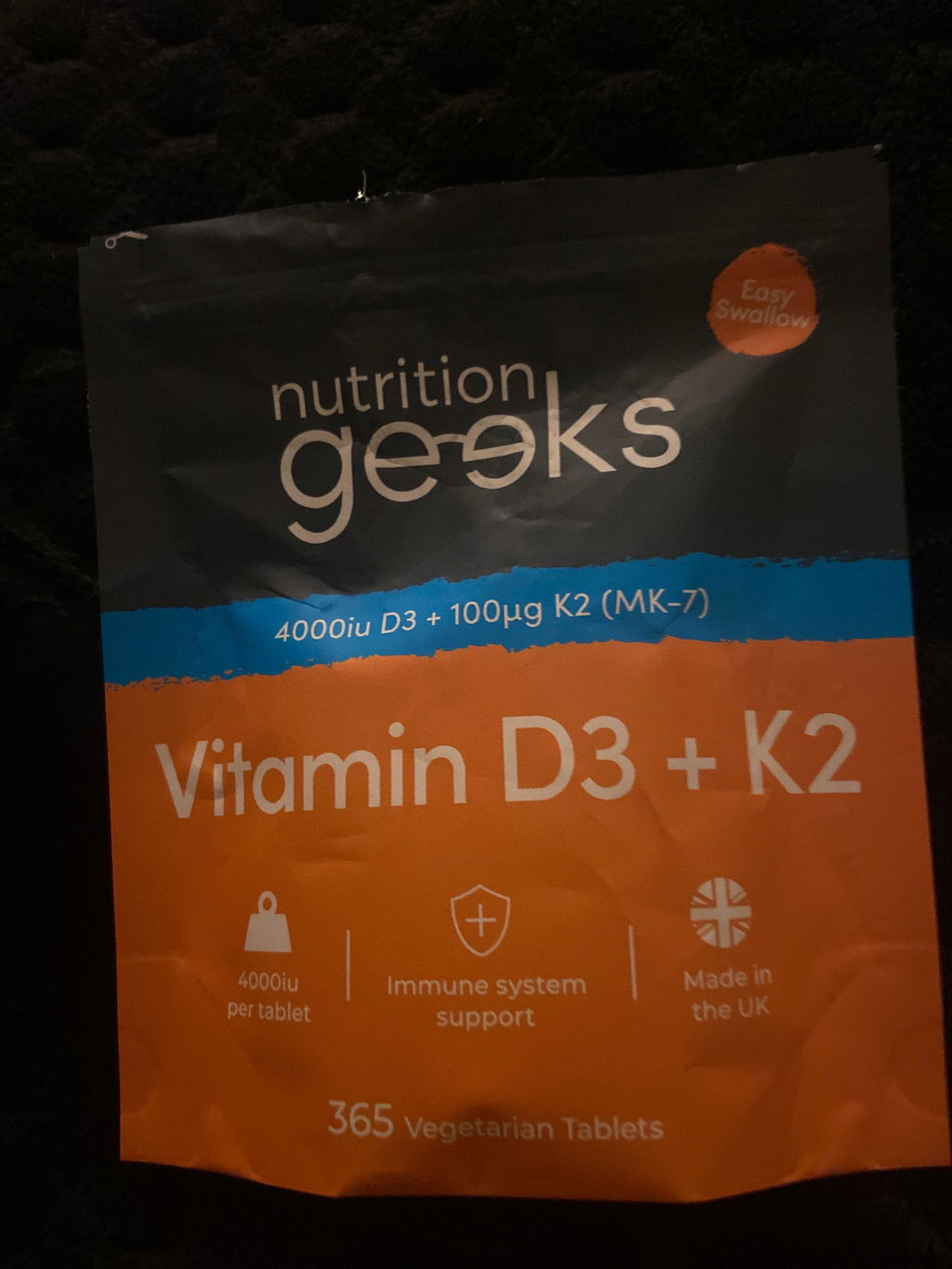
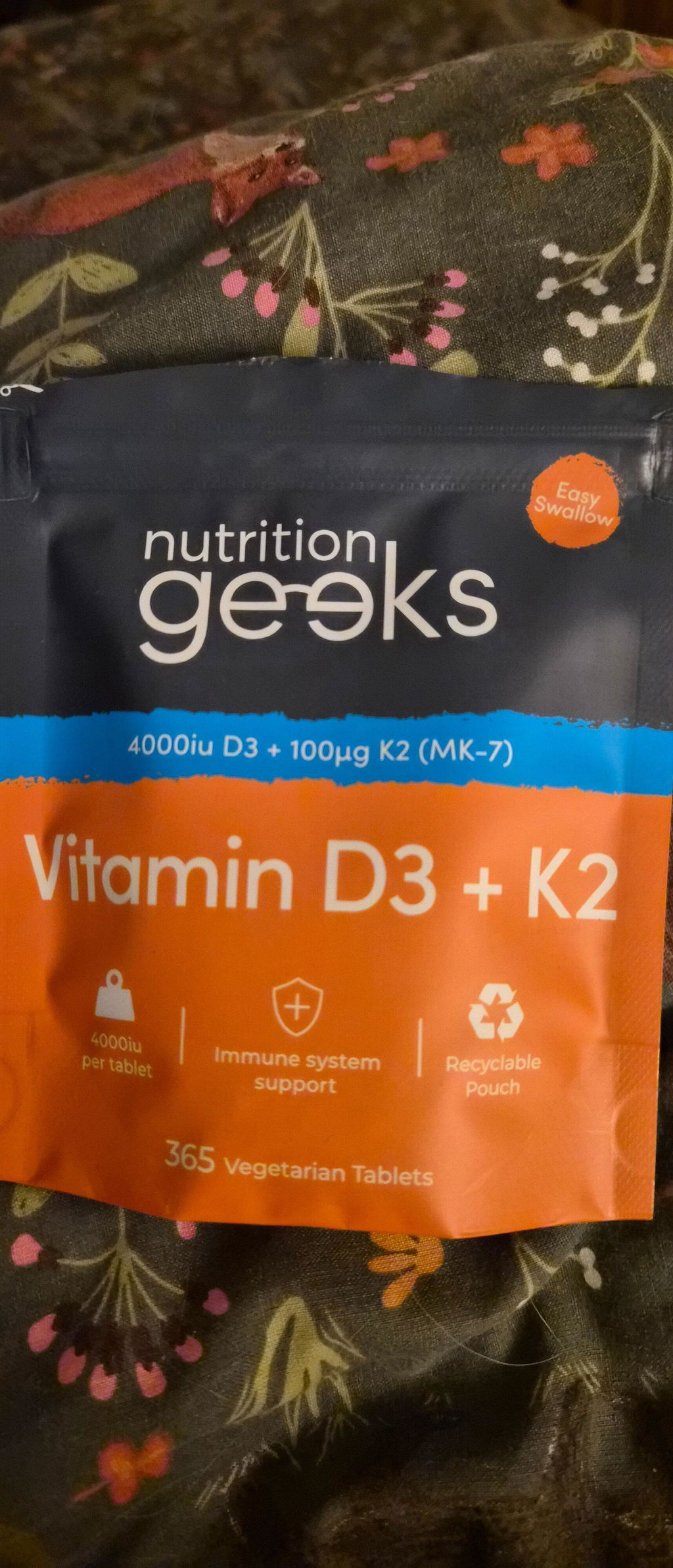
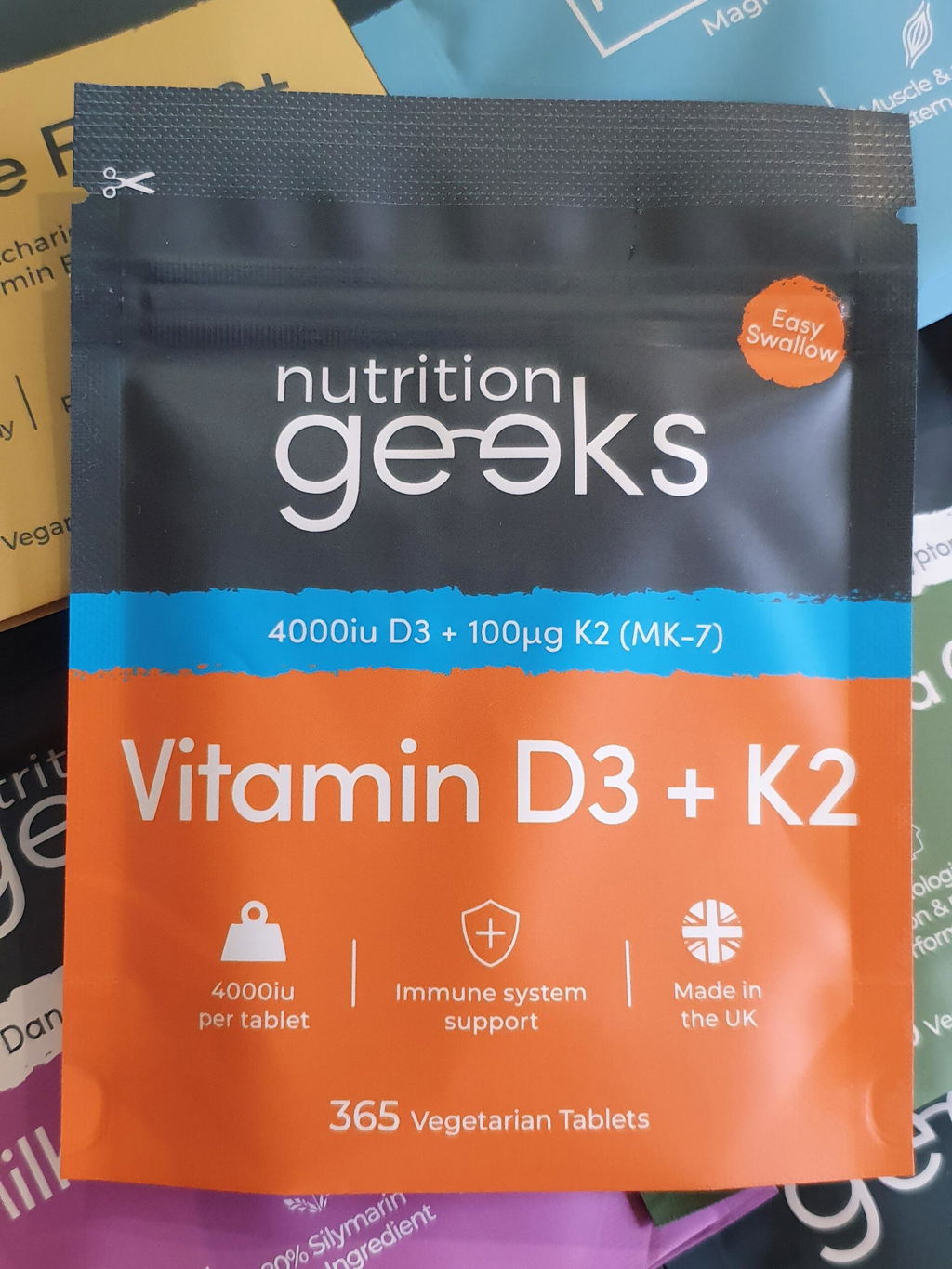
Vitamin D3 4000iu + K2
⏳ 12 months supply per pack (365 tablets)


Vitamin D3 4000iu + K2
Nutrition Geeks works with accredited, independent laboratories to verify the quality and integrity of its products.
- Vitamin D3 (Cholecalciferol) Meets label claim 4000 IU/serving
- Vitamin K2 Meets label claim 100 mcg/serving
LAST TESTED JUN 22, 2026
Testing conducted by Marfleet Analytical Services
Third-party test results reflect laboratory analysis of the submitted sample at the time of testing and form part of Nutrition Geeks’ wider quality assurance programme.
Ingredients:
Supply: Each pack contains 365 tablets (12 months supply) of Vitamin D3 4000iu + K2.
Cost per serving: 3p
Directions:
All UK orders qualify for fast and free tracked UK delivery.
Delivery takes 1-2 days.
Please review our delivery policy for full delivery details.


Why are customers switching to Nutrition Geeks Vitamin D3 + K2
Discover why millions of customers are switching to Nutrition Geeks from other brands.
I bought the Vitamin D3+K2 supplement last year for my daughter (She had a vitamin D deficiency). Now her test result is excellent! I strongly recommend this to everyone.
I never miss taking this! Its keeping my immune system in tip top condition.
Please can nutrition geeks design vitamins to address issues with childern at schools pre teens, teens specifically targeting issues around concentration, poor diet,anxiousness and brain functioning in terms of cognitive development focus issues....
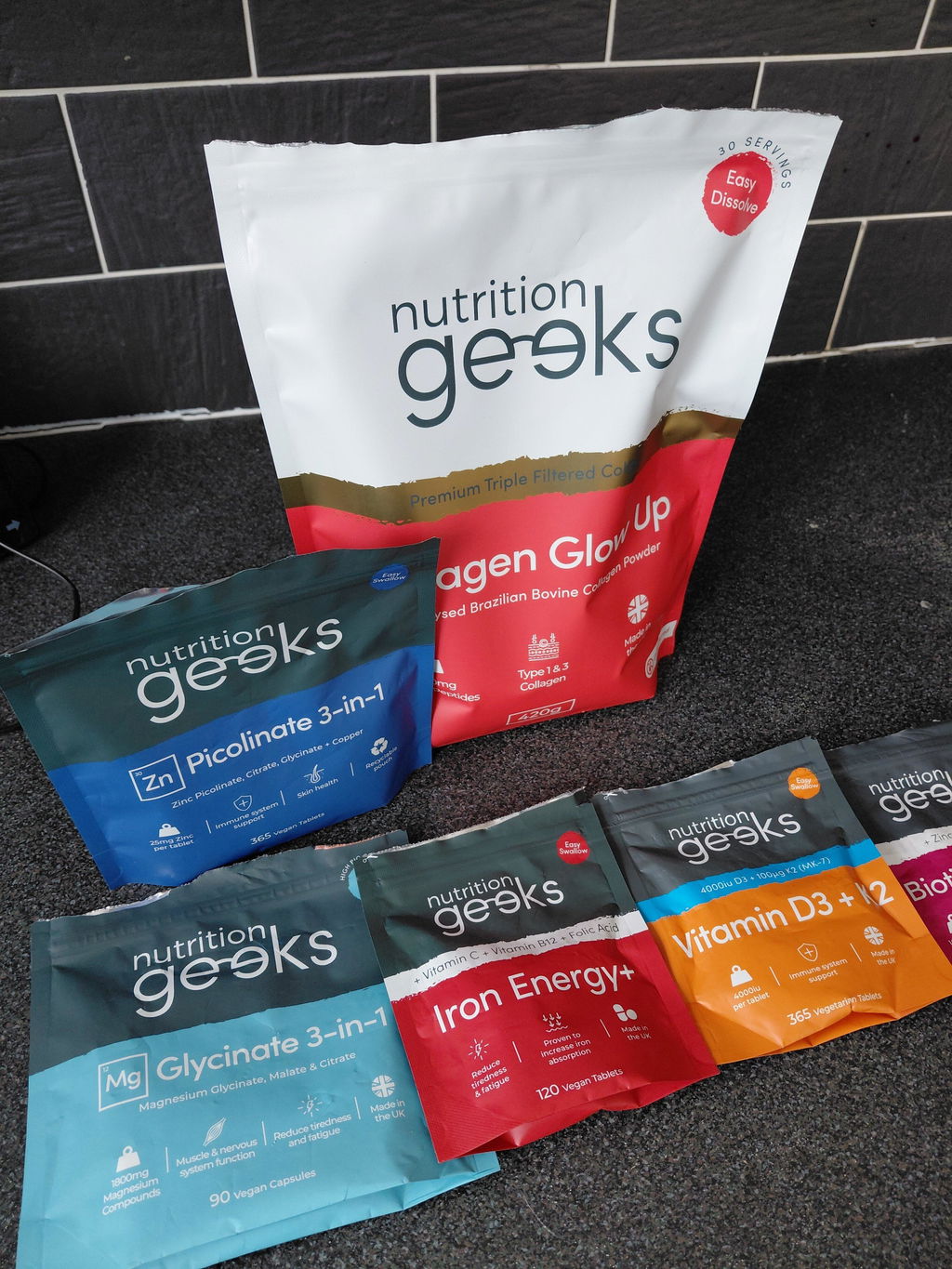
Ordered a replacement packet in the morning and was very surprised to get it the same afternoon! Product is one of a few nutrition geek items I use and collectively they do make a difference. Thanks for making a difference geeks!
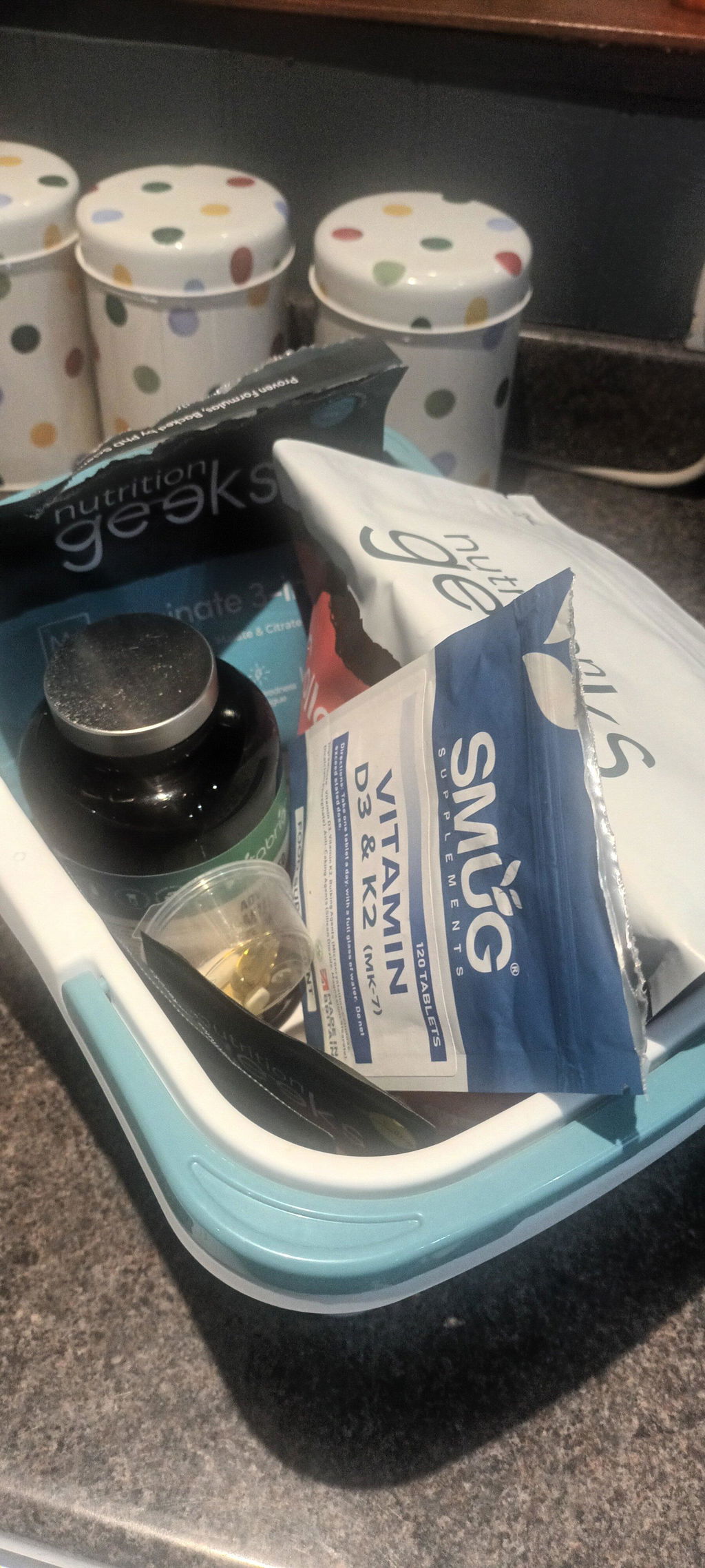
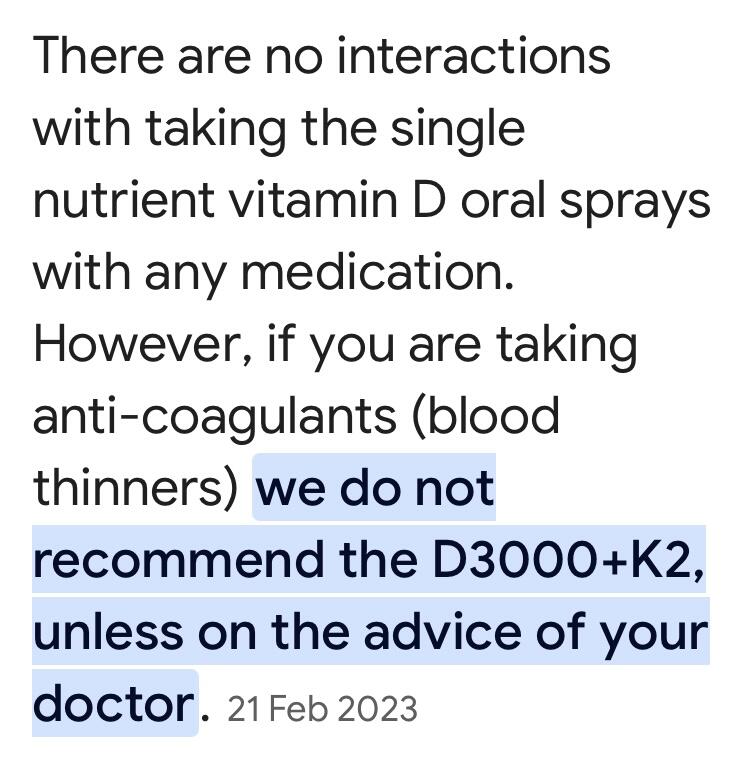
I was happily taking them when I learnt that if you are taking Anti-Coags (blood thinners) you should consult your doctor first as they don't always interact well
Great products! Excellent value! Optimal combination of Vitamin D3 and K2.
Micro tablet size is perfect.
Amazing customer service! Delivered next-day. Efficient packaging. Letterbox friendly.
Exceptional company, very helpful and knowledgeable staff.
Highly recommended! 10/10.
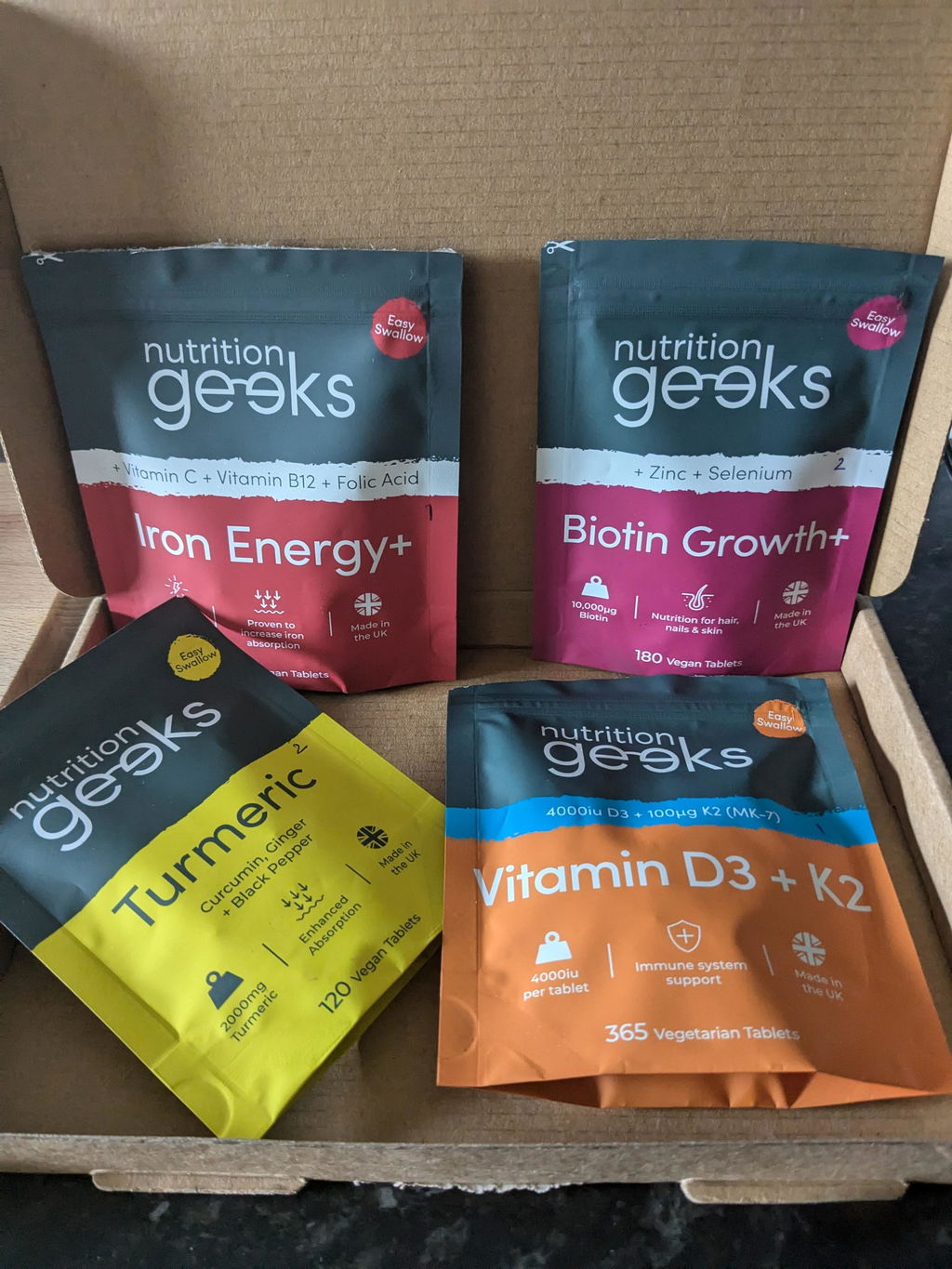
Just received my first box !! Can't wait to start taking these ... Am hopeful they will help with my tiredness, achy body , hair falling out , lack of sleep.. the list goes on ..!! Great interaction and speedy replies fromthe nutrition geeks.. and super fast delivery. Will update once I've been taking these bad boys for a while .. :)
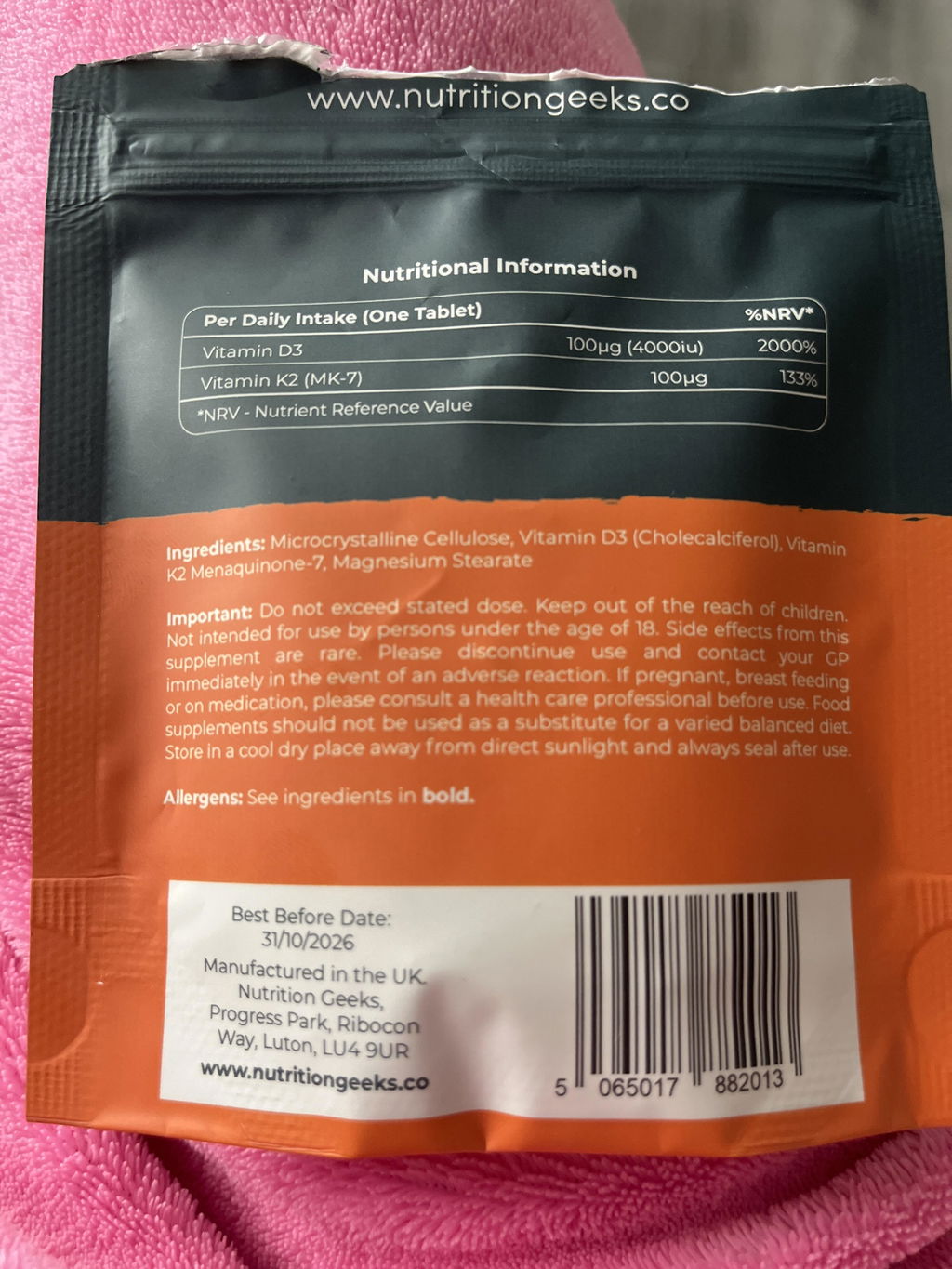
Received my Geeks vitamin D3+K2,disappointed that no recommended dose on packaging , had to research and still not sure. Very pleased with fast delivery and packaging.
Repeat purchase Great price and speedy delivery
Hi there, We're thrilled to hear you're happy with your daily vitamin and our service. Thanks for choosing Nutrition Geeks.
Regards,
Nutrition Geeks
Arrived as required
spot on
Arrived on time quality product
always quick delivery
ordered came on time ok
As speedy as ever thank you!
I have no problem with this the tablets are fine to take.
Hi there,
Nice to hear that you find the tablets convenient to take. Thank you for sharing your positive experience.
Regards,
Nutrition Geeks
Prompt delivery.
Small easily swallowed sized tablets. Can’t see the bag they come in lasting the length of time it will take to use all of the contents so I’ve transferred them to a small plastic tub.
Hi there,
Thank you for your positive feedback. We're glad you find the tablets easy to take and appreciate the prompt delivery. Your suggestion about packaging is noted, and we will consider it for future improvements.
Regards,
Nutrition Geeks
I use these as a replacement for vitamin D tablets.
Hi there,
Thank you for sharing your experience with our Vitamin D3 + K2. We're glad to hear it meets your needs as a replacement for tablets.
Regards,
Nutrition Geeks
Great product and easy order. Fast Delivery.
Very quick deliver, thank you 🥰
very good started on these a while back as with all geeks products find they definatley make me feel much better also very good value although you cant put a price on good health that helps too !! 😀
2 pack been using a year now.
Yes getting on well with these vitamins
Hi there,
Thank you for sharing your feedback on our Vitamin D3 4000IU + K2! We’re pleased to hear you’re getting on well with them and enjoying the product. We really appreciate your support and taking the time to share your experience.
Regards,
Nutrition Geeks
The delivery time being very speedy, only a day
Very happy. Thankyou
Speedy delivery, Much cheaper than your competitors. I feel it works just as well if not better.
Hi there,
Thank you for your positive feedback! We're glad to hear you're satisfied with our delivery and pricing. We appreciate your support and look forward to serving you again.
Regards,
Nutrition Geeks
Apparently you need to take K2 with vitamin D, only found that out this year. And fortunately nutrition geeks had sent me a free sample, which I have been taking. I shall continue to order this product from nutrition geeks as they're tiny tablets, no trouble to store or take. Excellent product.
Hi there,
Thank you for your positive feedback! We're glad you find the product convenient and effective. We appreciate your continued support.
Regards,
Nutrition Geeks
Many thanks for the very quick delivery.
perfect 👌
I hope this product helps my energy levels.
Frequently Asked Questions
Common questions about Vitamin D3 4000iu + K2What are common symptoms of Vitamin D deficiency?
Which vitamin D product is right for me?
Can children take Vitamin D3 Max Strength 4000IU tablets?
How does the combination of Vitamin D3 and K2 work?